12 Make the room work
Murder Mystery Party Decorations: 20 Easy Ideas on a Budget
Try 20 budget-friendly murder mystery party decorations using familiar furniture, simple lighting, and useful supplies, with a reuse-first planning table.
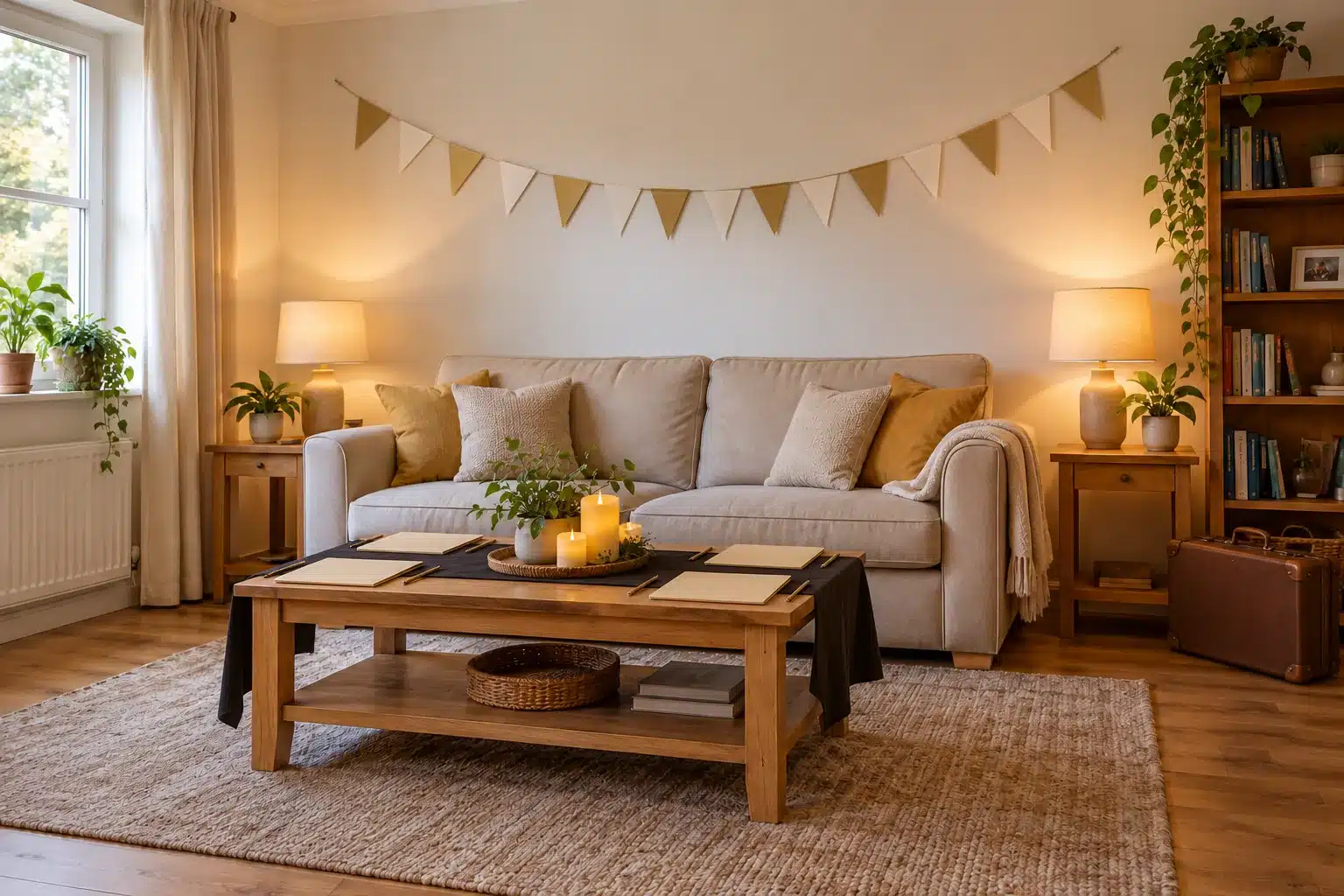
Budget-friendly mystery décor works best when a few ordinary objects establish the setting and the game materials remain easy to use. You do not need to cover every wall. A clear entrance, a usable table, comfortable light, and one photographic corner can make the whole evening feel planned.
Start with the game's public theme and choose two or three colors. Then look around the house before buying anything. The twenty ideas below separate atmosphere from actual clues: decorations are optional, while official materials must remain complete and consistent with the kit.
Give the entrance a purpose
1. Make one simple welcome sign
Write the public party name and a friendly welcome on plain paper or card. Put it where guests will see it on arrival. Avoid invented story details, dates, or accusations that could look like official evidence. A reusable frame can make ordinary paper feel finished without a new purchase.
2. Borrow a small arrival table
A console, side table, or cleared shelf can hold the guest list privately and the prepared packets individually. Keep decorative objects to one side so they do not cover names or materials. The table should help arrivals understand where to go, rather than becoming another puzzle they must solve.
3. Use a room label rather than a room makeover
One removable sign can suggest a hotel lounge, a camp meeting point, or a festive reception. Use only public setting information and make the label clearly decorative. Keep actual doorways and room access straightforward; a mysterious-looking entrance does not need to confuse your guests.
4. Bring out an ordinary suitcase or basket
An old suitcase can suggest travel, while a basket can suit a rural or winter gathering. Use one as visual background rather than a container for secret material unless the kit requires it. Do not fill it with invented letters or objects that look important to the solution.
Build a table people can actually use
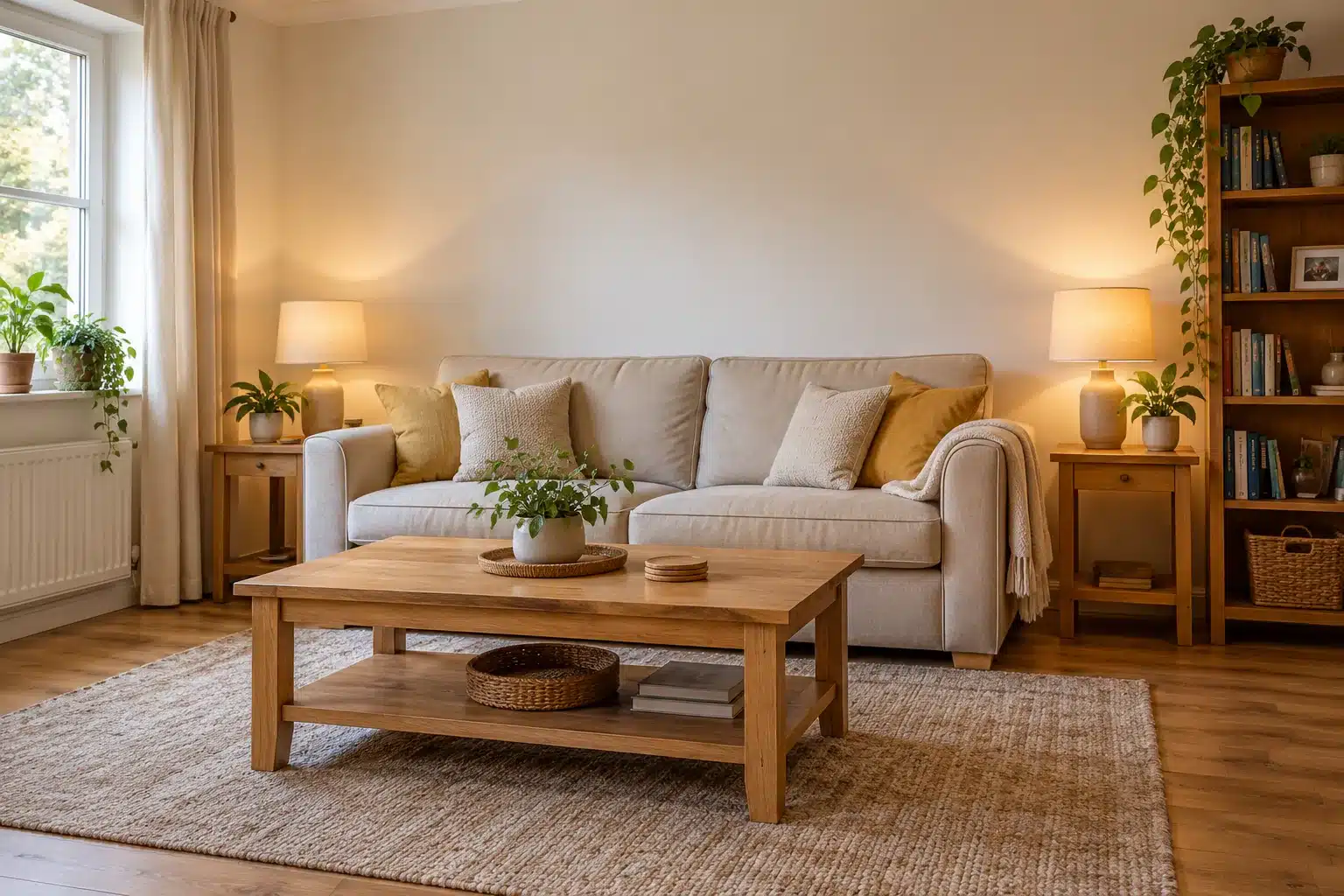
5. Repurpose a plain fabric runner
A scarf, clean length of fabric, or existing runner can establish a palette. Choose a surface that leaves enough room for booklets and writing. A shorter runner is often more useful than loose cloth hanging over chairs or covering every part of the table.
6. Keep the centerpiece low
Use a small bowl of greenery, a short vase, or a modest cluster of decorative objects. Check the view from each seat before guests arrive. If a participant has to lean around it to see a shared page or another person's face, make it smaller.
7. Reuse your own plates and glasses
Ordinary tableware can look coordinated when arranged neatly with consistent napkins or a runner. You do not need matching themed crockery. Keep glassware away from papers and provide a convenient place to put drinks down before handling shared materials.
8. Make public name cards
Plain folded cards can display approved character names or public roles. Use readable lettering and check the names against your assignment list. Do not add secret objectives, suspicions, or a joking “guilty” label. Name cards should help conversation without telling players what they should discover.
Organize the investigation area
9. Clear a dedicated shared-information surface
Use a side table or one clear part of the main table for items the game has released publicly. Decorate around its edges, leaving the material itself visible. A dramatic display is not useful if only one person can read it or if photographs are hidden beneath props.
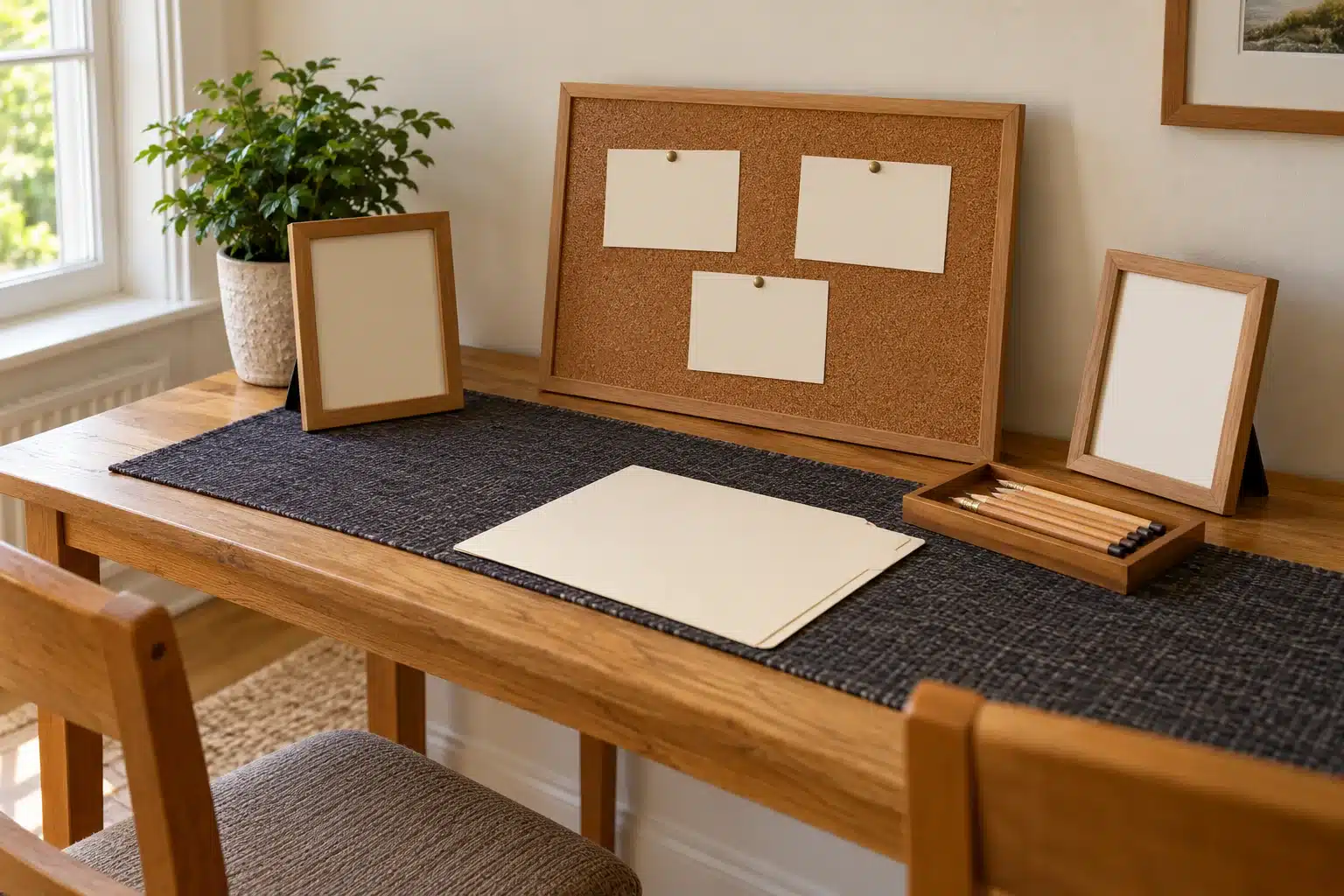
10. Use existing frames for public decoration
Empty or borrowed frames can hold a public welcome message, a food menu, or theme-colored paper. Keep them separate from official evidence unless framing is specifically part of the instructions. Do not design a fake witness statement simply to fill a frame.
11. Use a plain tray to keep small items together
A tray can hold spare pens, blank notes, or other non-secret supplies. It gives an ordinary object a useful role in the room. Keep unopened stage materials and answer files elsewhere; placing them on a public tray invites people to assume they may inspect them.
12. Clip up generic bunting
Cut simple triangles, stars, or geometric shapes from paper you already have. Keep the design tied to color and atmosphere rather than invented clues. Use suitable removable fixings and place it where it will not cover a light, doorway, or reading surface.
Use light and sound sparingly
13. Move a lamp before buying a light
Try an existing table lamp near the place where people will read or write. Walk around the room and check for glare on glossy sheets. A bright enough investigation space is more valuable than a perfectly dim photograph; you can keep atmosphere in the background.
14. Choose battery candles for a candlelit effect
Small flameless lights can add warmth to a table or shelf without introducing an open flame beside paper. The U.S. Fire Administration's candle guidance recommends considering battery-operated alternatives. You still need enough ordinary light to read, and decorative lighting should never replace a usable room setup.
15. Create one quiet music point
Put an existing speaker on a side table, away from the area where guests need to speak. Start softly and test it from different seats. The decoration is the suggestion of a lounge or party, not a wall of sound. Pause the soundtrack when instructions or important narration need attention.
16. Make a comfortable reading corner
An existing chair and lamp can give a participant a place to check their permitted pages. It need not look like a separate set. Keep the seat connected to the social area so nobody misses announcements or feels sent away from the party.
Finish with a small photo and food area
17. Use one fabric backdrop
A plain curtain, sheet, or existing wall with a short garland can become a photo spot. Keep the background simple and leave enough room for people to stand comfortably. Choose a location that does not block the route to the game or refreshments.
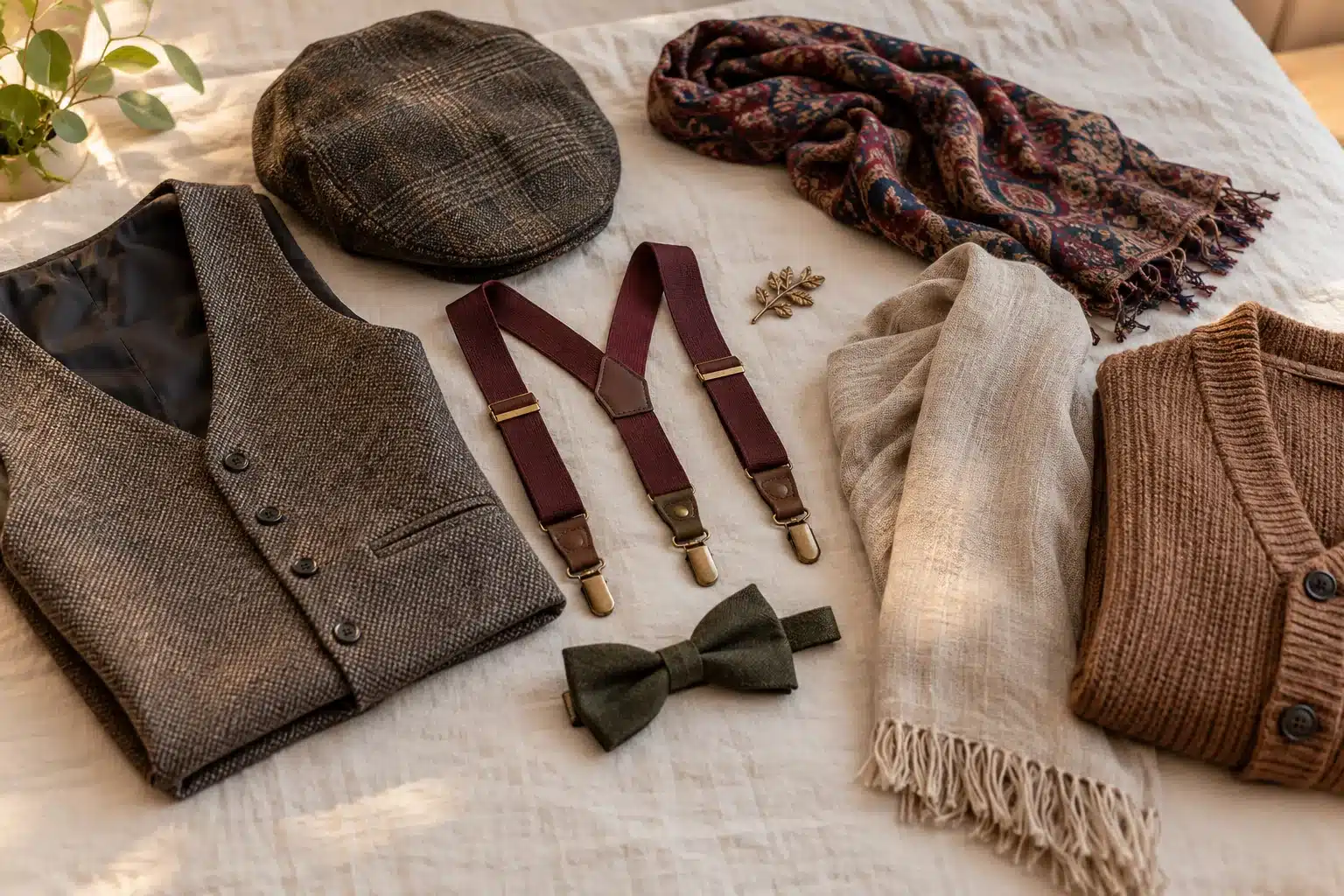
18. Display a few wardrobe accessories
A hat, scarf, cardigan, or waistcoat can suggest the public theme at a glance. Let guests borrow only if they want to, and keep the items separate from official props. A small accessory can help somebody feel included without implying that elaborate costumes are required.
19. Style the refreshment surface, not the documents
One matching napkin color and a small decorative object can tie food into the theme. Keep ingredient information useful and honest, and use a separate space from shared clues. A handsome snack table should not make players handle evidence with a plate balanced over it.
20. Give useful supplies a coordinated home
Put spare pencils, blank note paper, and a small waste basket where people can find them. A tray or cup in the theme's colors is enough. Tidy practical details make the room feel considered and save the host from repeatedly searching for stationery during the game.
Make a reuse-first supply plan
The effort estimates below are approximate styling judgments, not price quotes. Borrowing or repurposing is a good first step because costs vary by location and by what is already in the house.
| Area | Reuse first | Optional addition | Approximate effort |
|---|---|---|---|
| Arrival | Console, frame, plain card | A small matching ribbon | Quick |
| Main table | Existing cloth, plates, short vase | Coordinated napkins | Quick to moderate |
| Shared materials | Clear table, tray, spare pens | Simple organizers if needed | Moderate, because function matters |
| Lighting | Table lamps | Battery candles | Quick, with a reading-light check |
| Photo corner | Plain wall or curtain | Paper bunting | Moderate |
| Refreshments | Sideboard, ordinary serving dishes | One color-coordinated accent | Quick |
Spend on a genuine missing requirement before a decorative upgrade. If you lack usable paper, enough seating, or the required file preparation, an extra prop is not the next priority. The home-hosting guide helps put those jobs in order.
Apply one theme without buying twenty things
For a modest speakeasy-inspired evening, choose cream, black, and muted gold. Use your existing table with a dark runner, low greenery, plain name cards, and one geometric entrance sign. Put a small speaker away from the main conversations and serve refreshments on the sideboard.
That single plan might use six ideas from the list, not all twenty. The speakeasy hosting guide offers more setting-specific inspiration, while the vintage-DIY decoration article focuses on that narrower look. Use the actual game's instructions to decide what counts as evidence.
For a cozy winter theme, replace the geometric sign and dark cloth with paper stars, a cream runner, and a blanket on a chair. Keep the same readable room and clear material surfaces. Changing a few signals is more manageable than rebuilding the entire space.
A final walk-through before guests arrive
Budget décor questions
Do I need crime-scene tape?
Only if it suits the public setting and you want that look. Many mysteries take place at a celebration, a banquet, or a social gathering. A generic crime-scene style is not required and may be less useful than a clear table and suitable lighting.
Can I invent extra clues as props?
Keep invented decoration clearly separate from the investigation. A plausible-looking letter or marked object can create a contradiction the official solution never resolves. Use actual clues only as the kit instructs.
What should I decorate first?
Start with the main playing area and the entrance. Once people can arrive, find their materials, read, and talk comfortably, add a few optional accents. Browse the current kits only after your guest count and preferred atmosphere are clear.
Find the right mystery for your group
Choose by your confirmed players, occasion, and preferred atmosphere. Check the exact edition’s casting and hosting details before preparing your files.
Explore the mystery kits →General planning advice: your exact game edition’s instructions govern casting, information sharing, and the reveal. Illustrative images do not show official evidence or actual customer events.